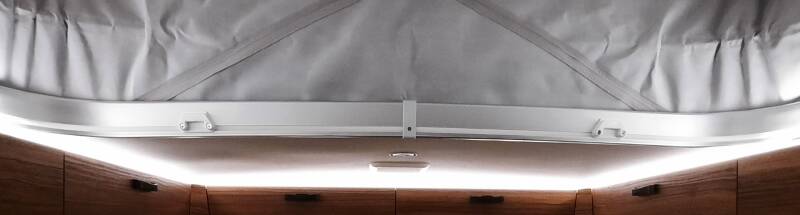
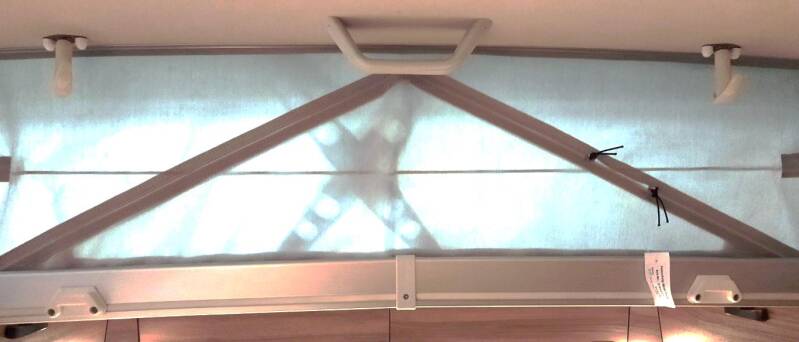
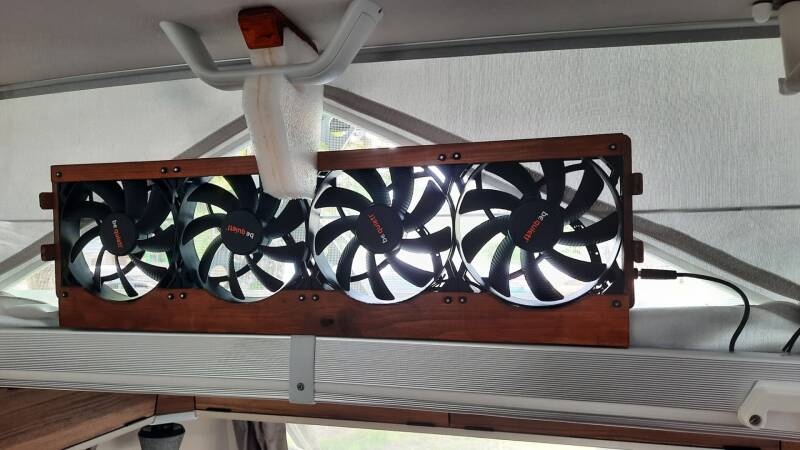
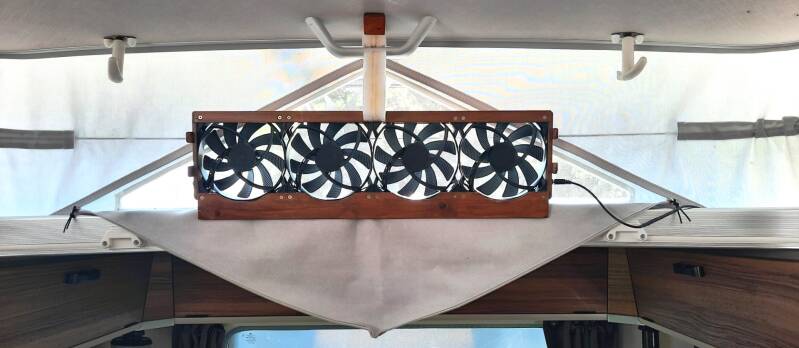
The pop-top roof provides good ventilation. For really hot days, we install extra ventilation that can be placed on the edge of the pop-top roof. In the image on the right, the ventilation is upside down to show the slot that wraps around the edge. The 12V= fans are then positioned in front of the triangle at the rear of the pop-top roof. Vents are: 140 x 140 x 25 mm.
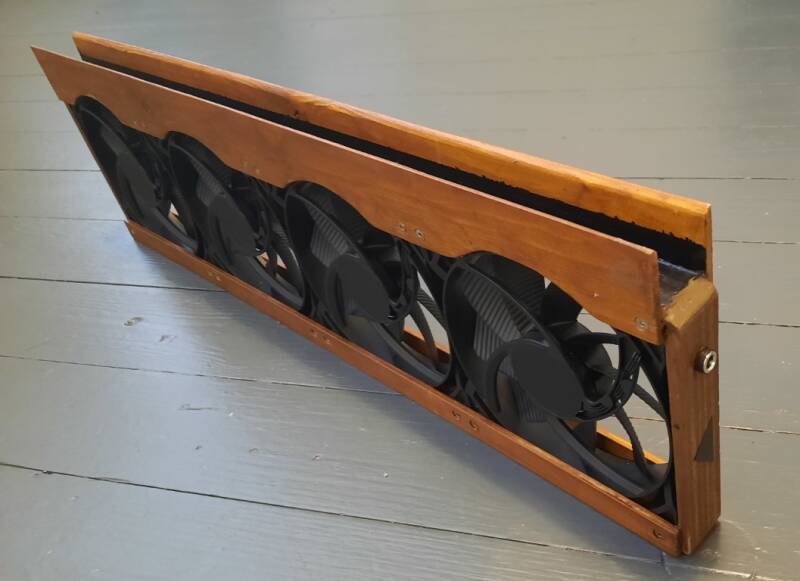
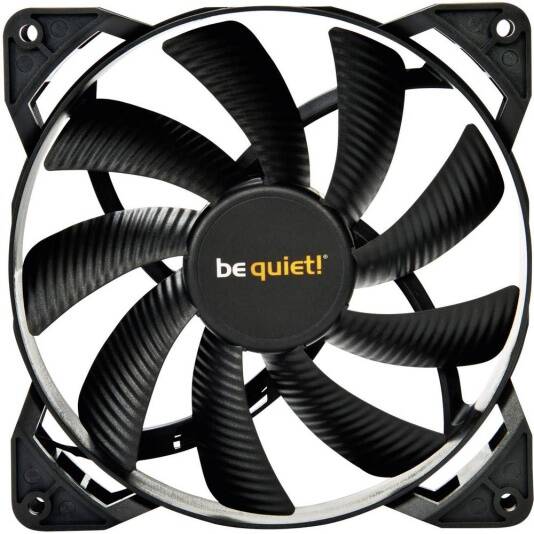
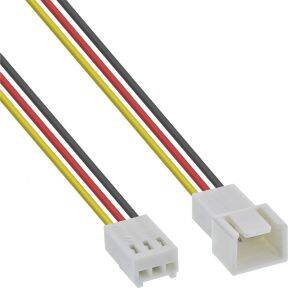
For the fans, we choose extra quietest ones. (The yellow connecting wire can be cut off...)
Speed (max) 1000 rpm and noise (max.) 18.8 dBA with an airflow capacity 103.97 m³/h (so multiply that by four here)
Reversing the polarity of the positive and negative wires does not cause the fans to rotate in the opposite direction. Therefore, we make the entire unit physically reversible with a separate 12V= connection on both sides.
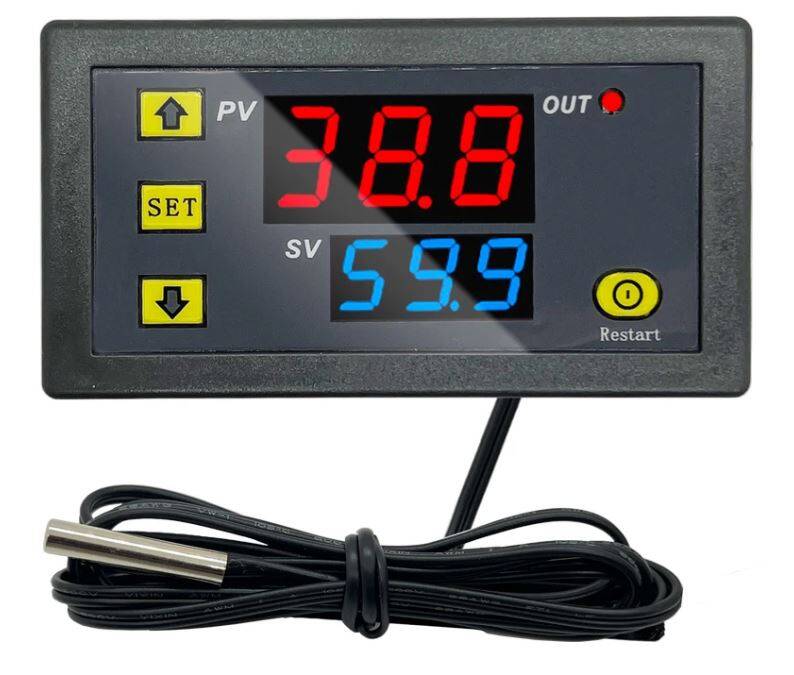
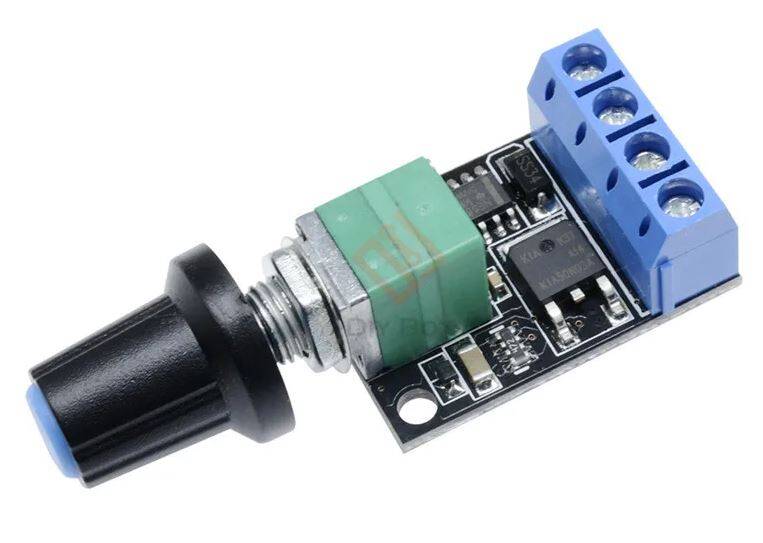
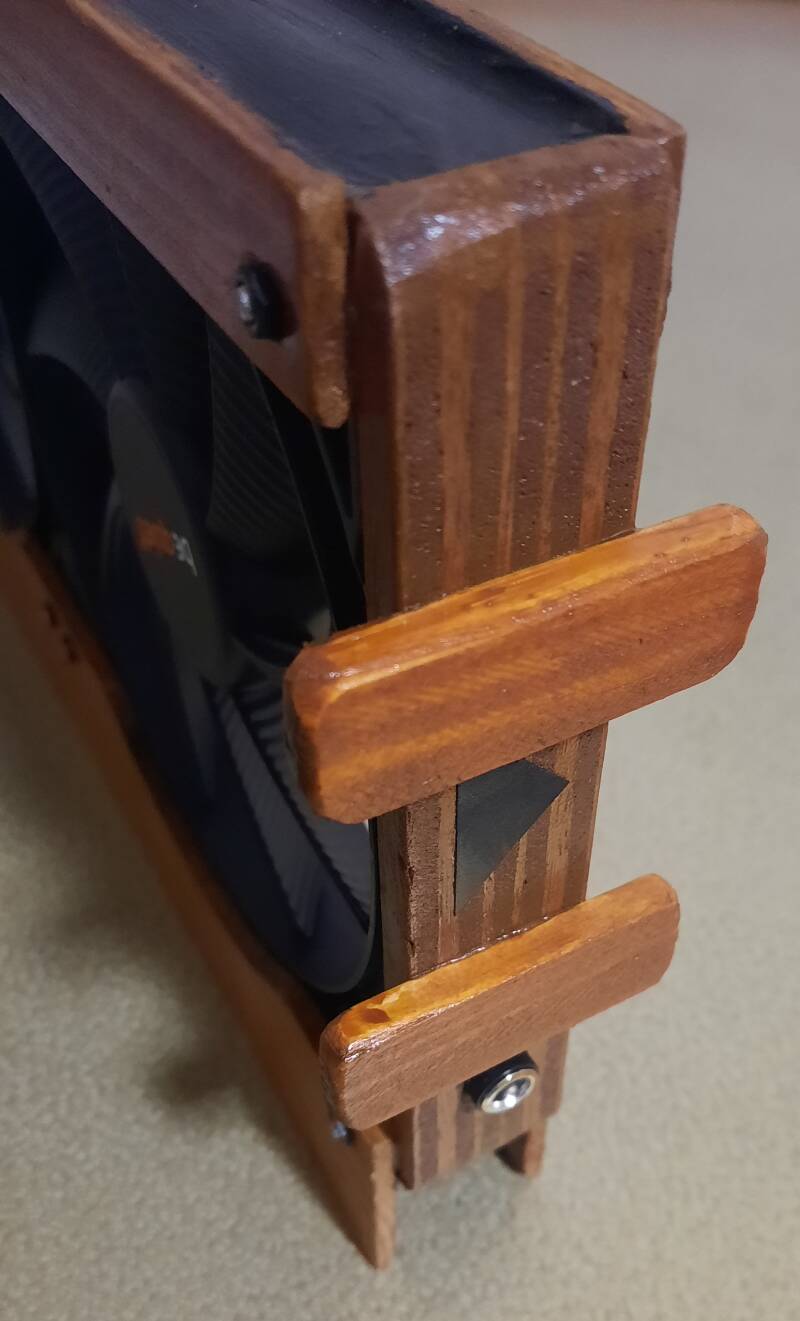
To control the fans, we use a thermostat and a speed control. (Both can be omitted, in which case it is fully "manual operation".) The 12V= cable from the fans is routed out of sight through the channel of the pop-up roof to the wardrobe. An arrow on the side indicates the direction of airflow. (See also: 12V power supply and USB)
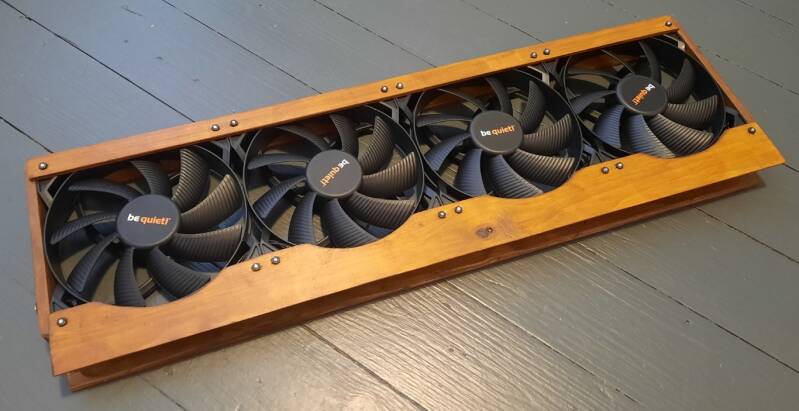
Epilogue. Practical experience. It turned out that the rotor blades were touching the tent fabric of the pop-top roof. In that case, it is actually not quiet at all anymore 😊 That is why simple wooden "spacers" were installed after all. See photo on the right. Now it is truly quiet (and certainly cooling).
We opted for fans that are so quiet that a PWM controller is hardly needed. You could therefore also take four fans that spin at much higher speeds and move more air. These produce more noise at full speed, but can then be regulated down to an acceptable noise level using that same PWM.
In any case, it has been proven that the ventilation can function completely inaudibly on warm nights.
Questions and remarks
Aussi1000 Instead of that complicated temperature control, you could also use a simple thermo-switch?
Answer: You are right. Simple thermal switches with a bimetal exist. However, they are entirely static: you can no longer adjust the parameters. For example, we do use a simple thermal switch for refrigerator ventilation: Refrigerator fan
Maak jouw eigen website met JouwWeb